

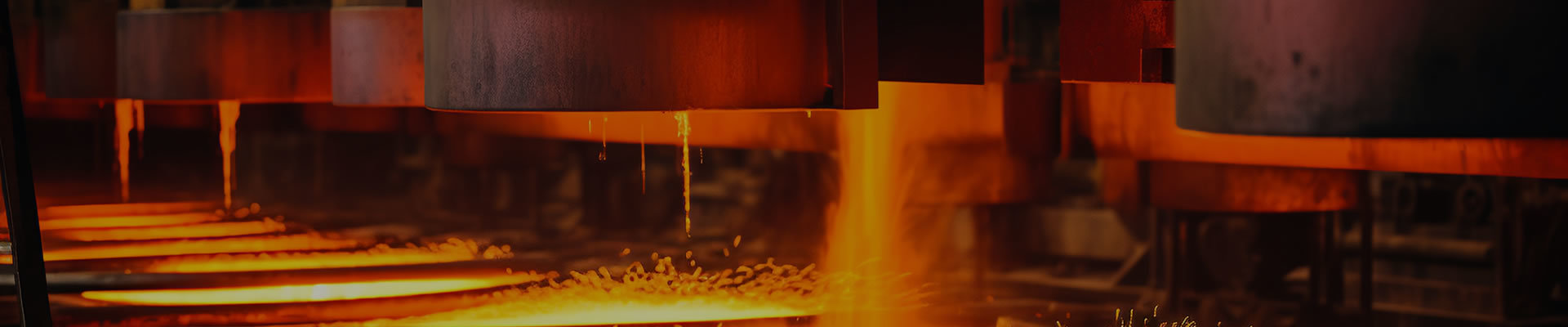

Forging is a metal processing technique that applies pressure to metal blanks with a circular shape, causing them to undergo plastic deformation to achieve specified shapes and dimensions. This process is typically carried out on specialized forging equipment to ensure that the metal is subjected to uniform stress during forging. Forging is widely used in manufacturing industries such as aerospace, automotive, and machinery, as it enhances the mechanical properties and durability of metals. Through the forging process, we can produce metal products with high precision, high quality, and high strength.
Forging is a metal processing technique that applies pressure to metal blanks with a circular shape, causing them to undergo plastic deformation to achieve specified shapes and dimensions. This process is typically carried out on specialized forging equipment to ensure that the metal is subjected to uniform stress during forging. Forging is widely used in manufacturing industries such as aerospace, automotive, and machinery, as it enhances the mechanical properties and durability of metals. Through the forging process, we can produce metal products with high precision, high quality, and high strength.
Forging is a metal processing technique that applies pressure to metal blanks with a circular shape, causing them to undergo plastic deformation to achieve specified shapes and dimensions. This process is typically carried out on specialized forging equipment to ensure that the metal is subjected to uniform stress during forging. Forging is widely used in manufacturing industries such as aerospace, automotive, and machinery, as it enhances the mechanical properties and durability of metals. Through the forging process, we can produce metal products with high precision, high quality, and high strength.
Forging is a metal processing technique that applies pressure to metal blanks with a circular shape, causing them to undergo plastic deformation to achieve specified shapes and dimensions. This process is typically carried out on specialized forging equipment to ensure that the metal is subjected to uniform stress during forging. Forging is widely used in manufacturing industries such as aerospace, automotive, and machinery, as it enhances the mechanical properties and durability of metals. Through the forging process, we can produce metal products with high precision, high quality, and high strength.
Forging is a metal processing technique that applies pressure to metal blanks with a circular shape, causing them to undergo plastic deformation to achieve specified shapes and dimensions. This process is typically carried out on specialized forging equipment to ensure that the metal is subjected to uniform stress during forging. Forging is widely used in manufacturing industries such as aerospace, automotive, and machinery, as it enhances the mechanical properties and durability of metals. Through the forging process, we can produce metal products with high precision, high quality, and high strength.
Forging is a metal processing technique that applies pressure to metal blanks with a circular shape, causing them to undergo plastic deformation to achieve specified shapes and dimensions. This process is typically carried out on specialized forging equipment to ensure that the metal is subjected to uniform stress during forging. Forging is widely used in manufacturing industries such as aerospace, automotive, and machinery, as it enhances the mechanical properties and durability of metals. Through the forging process, we can produce metal products with high precision, high quality, and high strength.
Forging - Steel Ladle Ear Shaft
Forged round bars are solid long steel materials with a circular cross-section, and their specifications are indicated by the diameter in millimeters. Forged rounds are divided into three types: hot-rolled, forged, and cold-drawn.